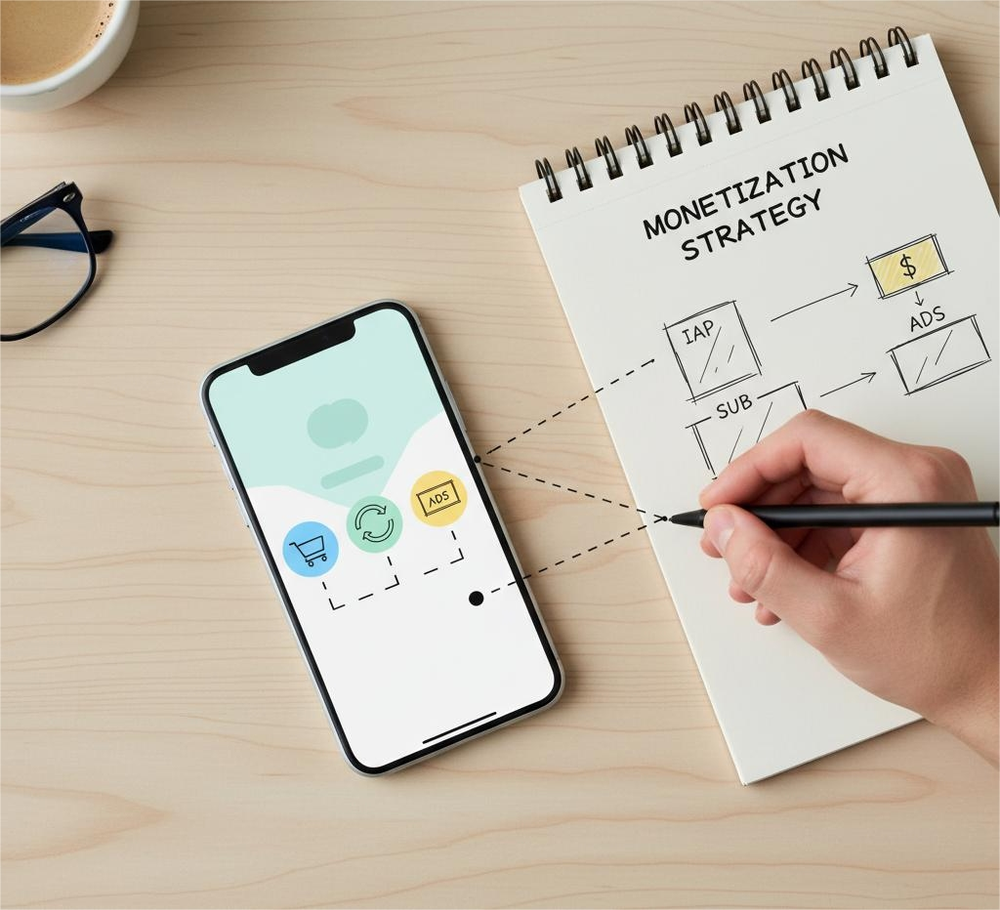
Today, developers and businesses no longer want to simply create apps that are engaging – they want to monetize them. Knowing how to appropriately understand and utilize app monetization is a game-changing strategy that can elevate a good app into a productive app. Whether you are a startup looking to release your first app or an enterprise developing your mobile ecosystem, learning how to monetize apps for the long-term is essential for success.
Understanding App Monetization
App monetization means you’ll generate money from a mobile application, and while this may seem simplistic, it can involve many different models that may fit an app (and audience) category. There are advertising, subscription, and in-app purchase models, and the key is to balance the user experience against profitability.
Today’s developers and publishers need to think beyond traditional ads, and engage with innovative models through the best in app advertising and data-driven tools. The goal is always to keep the user engaged while increasing the revenue production of the app.
Popular Strategies to Monetize Your App
| Monetization Model | Description | Best Use Case |
| In-App Advertising | Revenue earned from showing ads inside the app via in-app ad marketplace platforms. | Apps with high daily active users (DAUs). |
| Freemium Model | People can use the simple features for free, and then sort of upgrade to Premium when they want. | SaaS apps, tools, and productivity applications. |
| In-App Purchases | There’s also the whole deal of selling virtual items, perks, or content right inside the app. | Gaming, lifestyle, or content-driven apps. |
| Subscription Model | For subscriptions, payments repeat, monthly or yearly, so you get ongoing access. | Streaming, fitness, or learning apps. |
| Affiliate & Partnerships | And then you can promote other brands and earn a commission from it too. | Niche apps with a loyal audience. |
The Role of an In-App Ad Marketplace
An in-app ad marketplace serves as a bridge to connect developers and publishers with ad buyers to ensure a seamless ad interaction within mobile applications. The ad marketplace is fundamentally important, as it allows for the most ad value to be received for each impression served to the user.
Optimal ad placements can be managed through the in-app ad marketplace, while developers can access analytics, ad demand sources, and the ability to target their user base. If managed correctly and under the right circumstances, in-app ad marketplaces can increase eCPMs (effective cost per mille) and ad performance without sacrificing the user experience.
For example, Gamoshi allows for advanced ad serving and programmatic technology to enable the developer to manage their profile of ad inventory, track engagement metrics, analyze and better manage campaigns to ensure ideal results.
Why the Best In App Advertising Is Essential
The most effective solutions for in-app advertising also leverage machine learning with an audience segmentation plan to deliver personalized and engaging advertisements. They use user data to predict what advertisements will perform the best, while determining how to show them in a way that is not annoying for the user.
A strong advertisement strategy can improve ROI by a significant amount, while giving advertisers quality impressions. Developers see increased revenue, all while users have the best experience possible. Thus, the ad engagement experience combined with the monetary investment is the key to in-app monetization success.
Conclusion: Building a Sustainable App Revenue Model
As mobile app development continues to evolve, developers must move towards monetising their apps through ads. App monetisation solutions based on insightful data will be the answer to achieving app revenues. The developers will be able to turn the users’ engagement into steady income by using proven practices of ad monetisation and getting educated through the data-driven in-app advertisement market.
This is practical both in case you plan to generate income from advertising in the app, use subscriptions to monetise your mobile application or apply a hybrid strategy where advertising is used along with subscriptions.